Firefighting vs Fireproofing Home-based Care

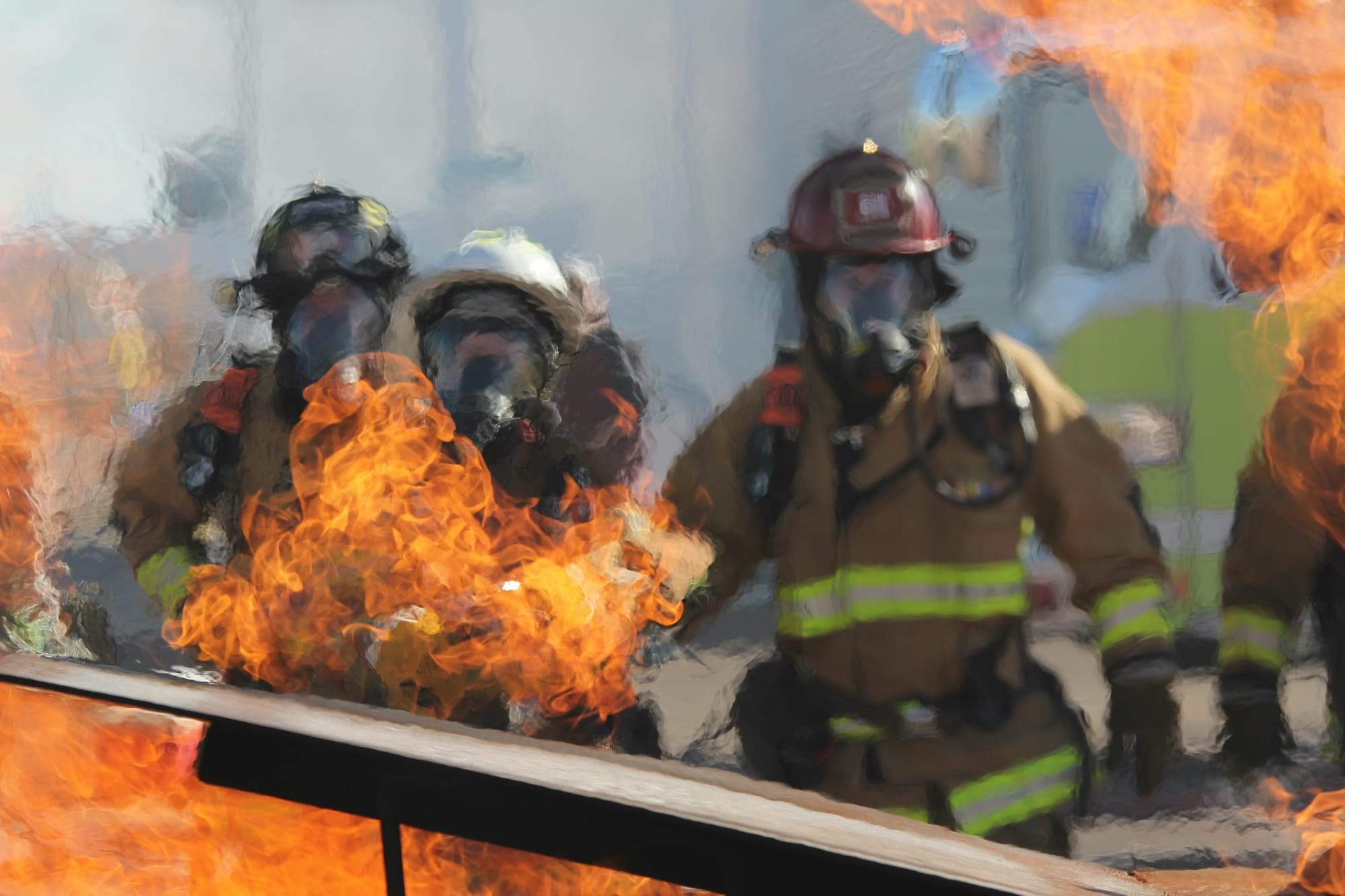
The Arya team spent all of last Saturday helping providers and thousands of caregivers "firefight" the storm. Here’s an actual recording of Arya's agents deployed for free to providers, helping a caregiver and attempting to keep a patient visit from collapsing.
Firefighting. We do a lot of this in home-based care. Why are so many things flammable in the first place?
A short story from the 1800s
In the 1800s, American cities burned constantly. Not because people were careless or fire brigades were incompetent, but because cities were built almost entirely out of wood. Dense blocks. Open flames. One spark and everything went.
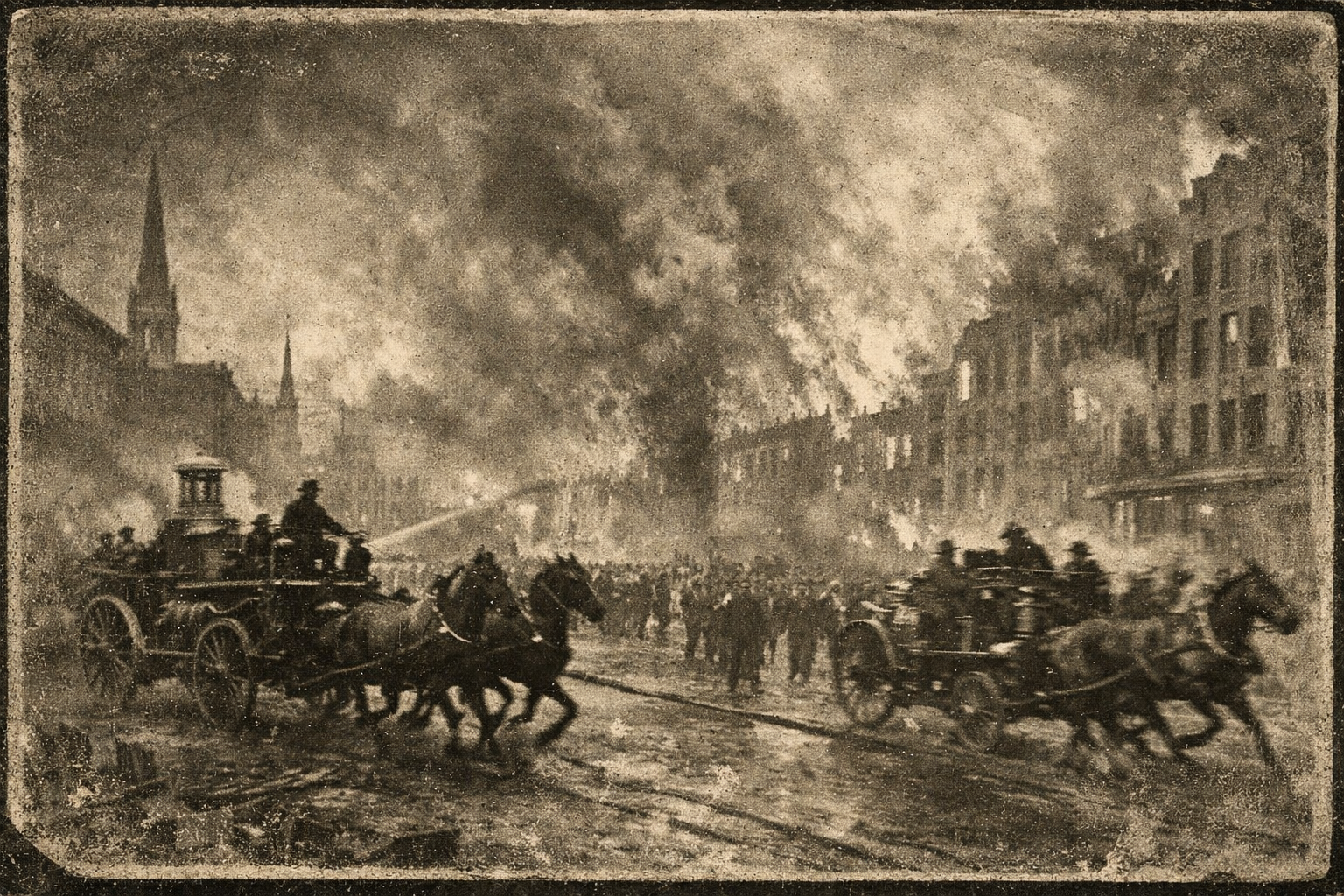
After the Great Chicago Fire of 1871, the breakthrough was not “hire more firefighters.” It was “stop building the city out of kindling.” New building codes. Brick. Stone. Steel. Firebreaks.
Cities did not just get better at fighting fires. They made fires far less common.
That distinction matters more than ever for home-based care and for how many teams I see deploying AI right now.
The home-based care fire
Every operator knows this loop by heart:
Callout at 6:12am. Patient cancels at 7:03am. Clinician running late and the rest of the day dominoes. EVV exception. Missed frequency risk. Weekend escalation. Repeat.
So we buy fire extinguishers.
We buy tools that help us react faster. AI for auto-dialing. AI for mass texting. AI for smarter swap boards. “AI dispatch”. Exception dashboards. Copilots that write cleaner messages while the team still scrambles.
These tools are useful. Fire extinguishers matter. But if your operation is structurally flammable, you are just getting better at living inside the smoke.
Why the fires keep happening
Home-based care is uniquely prone to combustion because the system itself is volatile.
- Labor volatility is real. Turnover in home care has hovered near 80 percent in recent benchmarking.
- Absence is normal across the economy, and healthcare support roles run higher than average.
- Scheduling itself creates risk. Large scale studies of home care visits show that schedule inconsistency and schedule discontinuity increase caregiver absenteeism and patient dissatisfaction. Days that look like Swiss cheese lead to people not showing up.
- Compliance adds accelerant. EVV turns missed visits into immediate financial exposure, not just operational pain.
And the part most demos skip over entirely: missed visits are not just inconvenient. They correlate with worse patient outcomes and higher downstream utilization.
So yes, you need response systems.
But if response is the entire strategy, you are choosing to run a wooden city.
A weekend gut check
Here is the question that actually changes roadmaps:
Are we looking for AI to make our team better at scrambling, or to make scrambling rarer?
A quick diagnostic you can run with your team:
Your AI project is probably firefighting if it mostly improves:
- Ability to triage incoming calls
- Speed of outreach
- Speed of reassignment
- Speed of reacting to compliance gaps after the fact
- Speed of re-engaging candidates talent teams couldn't get to fast enough
Your AI project is probably prevention if it measurably drives:
- Better understanding of patients and caregivers and their needs
- Better continuity of care for the patient
- More schedule predictability for both the patient and the caregiver
- Fewer day-of callouts, cancellations and after-hours escalations
- Fewer compliance-related care gaps for patients and employment gaps for caregivers
- Higher caregiver “this provider understands me” sentiment
Same spend. Very different products. Very different compounding.
What I would do next
Pick one fire that happens often and hurts when it does, then change the materials.
Start with stability. Reduce schedule discontinuity.
Get truth before optimization. Real-time availability and readiness, not weekly updates and hope.
Hold AI accountable to prevention metrics. Fewer callouts, fewer cancels, fewer EVV exceptions, fewer missed visits. Not “time to send message.”
That is the difference between a demo-able point solution AI and an operational advantage.
We will keep firefighting when storms hit. It matters.
But the real work is making the system less flammable.
Kunal